
One Step to Analytical Method Validation

Why Method Validation?
A validated method characterizes the performance of the test and its limitations, provides confidence in data quality and contributes to GMP compliance for batch release and submission for manufacturing and clinical trial studies.
Validation Studies
The objective of validation studies is to demonstrate that the test procedure performs according to its intended purpose. Essential method quality attributes to be investigated are specifity, accuracy and precision.
The validation is performed in compliance with current ICH Q2 (R2) quality guidelines. Critical factors are to be determined that may have an impact on its sensitivity, robustness and reproducibility.

Methods & Applications
Analytical methods are necessary to support GMP compliance of the quality control program (e.g. characterization studies, stability studies), final product testing for release (release testing), process validation studies, formulation studies, or the drug development program.
Protein characterization uses methods such as gel electrophoresis and chromatographic analysis. Peptide mapping has become a powerful tool to examining primary structure modifications as advances in analytics have been made.

GMP Regulations and Compliance
The use of analytical tests in biopharmaceutical manufacturing verifying quality, efficacy, and safety of biotechnological products, and contributing to GMP compliance.
Analytical Method Validation in compliance with current ICH Q2 (R2) Quality Guidelines
Key Activities and Benefits
- Planning and execution of analytical experiments.
- Design, development and validation of analytical methods.
- Analyzing and evaluations of experimental data, including statistical analysis.
- Contributing to validated analytical tests.
- Contributing to GMP lot release of samples.

What are Bioanalytical Methods?
Enzyme-Linked Immunosorbent Assay (ELISA)
ELISA is a highly sensitive antibody- and plate-based bioanalytical method to detect and quantify biomarkers like antibodies, proteins, hormones or biological samples.
Florescence activated cell sorting (FACS)
Florescence activated cell sorting (FACS) and flow cytometry analysis are widely used in the Biopharmaceutical Industry and treatment centers for cell and gene therapy (ATMPs) for cell-based assay, potency or ADCC assays, to determine the biological activity and as part of regulatory GMP requirements for lot release.
Flow cytometry is a laser-based technology creating a scattered and a fluorescent light signal, facilitating cell analysis. FACS offers a broad range of applications for bioassays, clinical patient evaluation, and personalized medicine.
Areas of applications of FACS range from immunophenotyping, cell, and DNA analysis, establishing the basis for bioassays such as viability assays, proliferation assays, apoptosis testing, and particularly potency assay for ATMPs. Fluorochrome-conjugated antibodies enable the analysis of immunophenotyping of human cells for gene and cell-based therapy (ATMPs) studies.
Bioanalytic PCR and qPCR
Polymerase chain reaction (PCR) is used for qualitative results and qPCR (Real-Time) is used for quantitative (qPCR) data by using fluorescent dyes in each amplification cycle.
“FDA Regulations and Requirements”
The cGMP regulations require that the test methods, which are used for assessing compliance of pharmaceutical articles with established specifications, “…must meet proper standards of accuracy and reliability.”(Source FDA)
FDA 21 CFR Part § 211.165 Testing and release for distribution.
e) The accuracy, sensitivity, specificity, and reproducibility of test methods employed by the firm shall be established and documented. Such validation and documentation may be accomplished in accordance with § 211.194(a)(2).
FDA 21 CFR Part § 211.194(a)(2) Laboratory records.
…”that the methods used in the testing of the sample meet proper standards of accuracy and reliability as applied to the product tested.“

Key Expertise
- Monoclonal antibodies
- Recombinant proteins
- Bispecifi antibodies
- Cell-based assays
- Viral-based assays

On-site Service
- Release Testing
- Stability Testing
- In-Process Testing
- Laboratory assistance
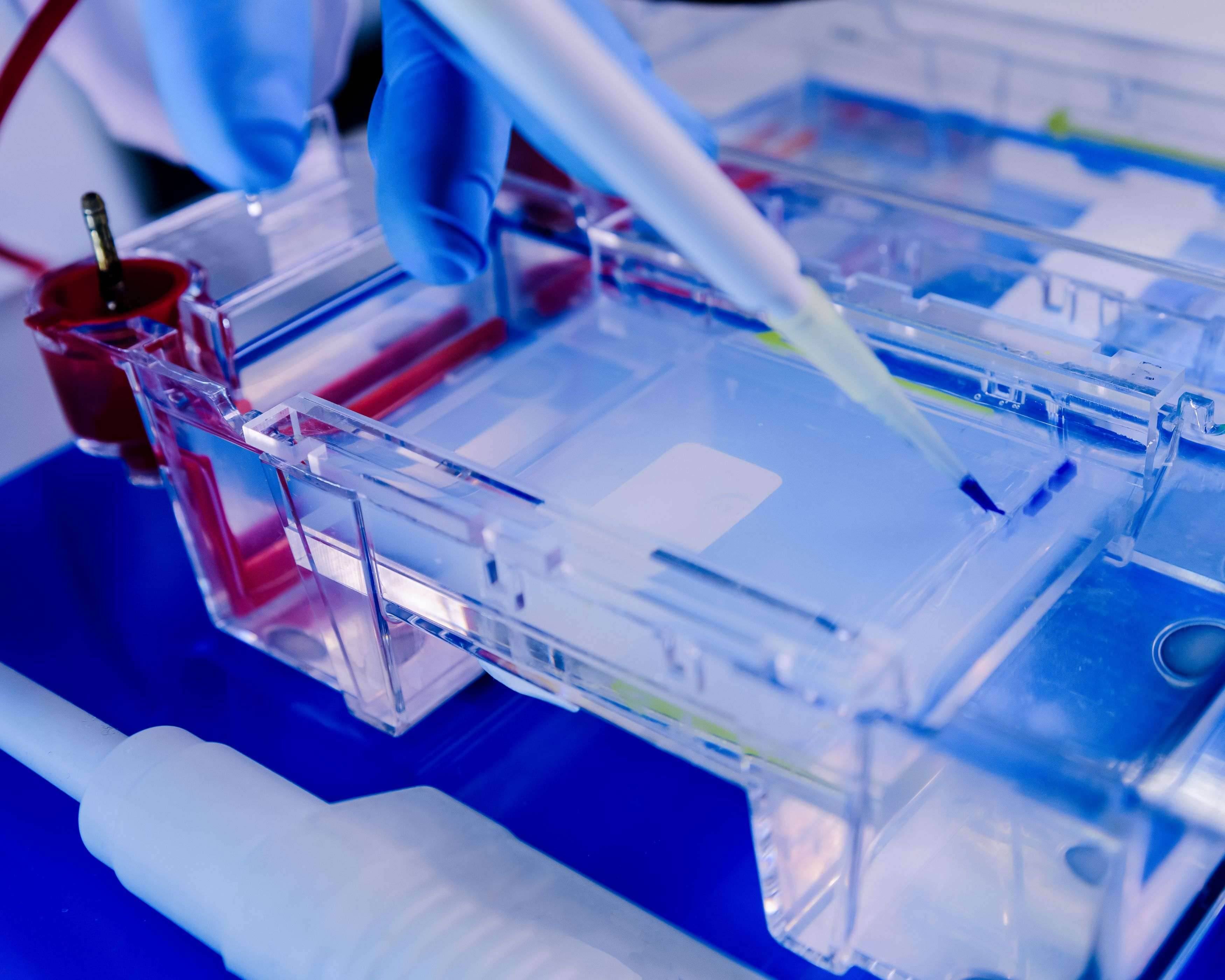
Laboratory Technology
- Florescence Activated Cell Sorting (FACS)
- Molecular Biology
- Cell Biology
- Immunoassays
- Cell Culture Techniques
- Cell Line Engineering
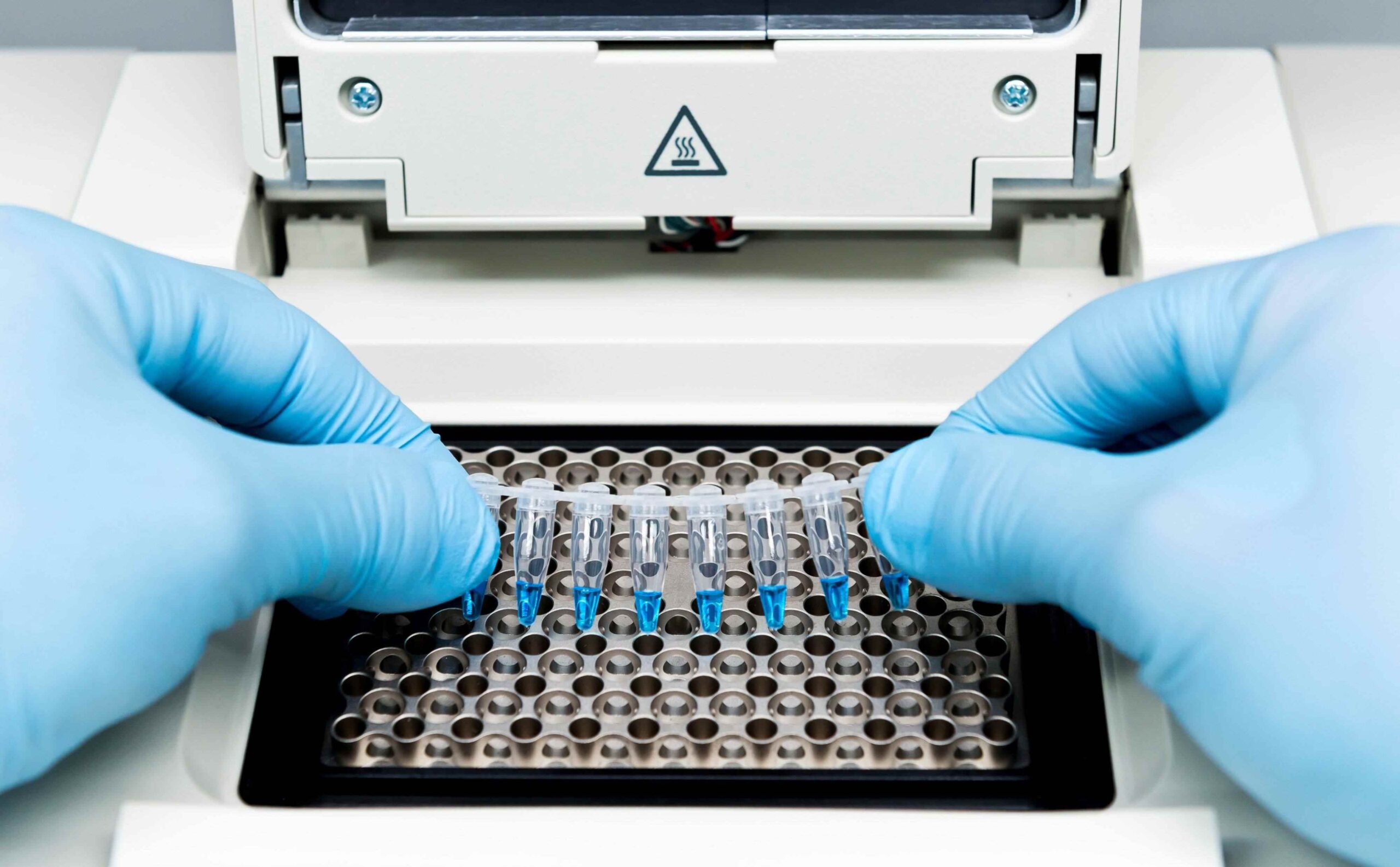
Analytical Instruments
- Flow Cytometry
- HPLC
- Electrophoresis
- DNA/RNA Analysis
- ELISA
- UV/Vis
We assist your laboratory activities and contribute to your quality control program, process validation studies and drug development program.