Process Equipment Qualification
About Process Equipment
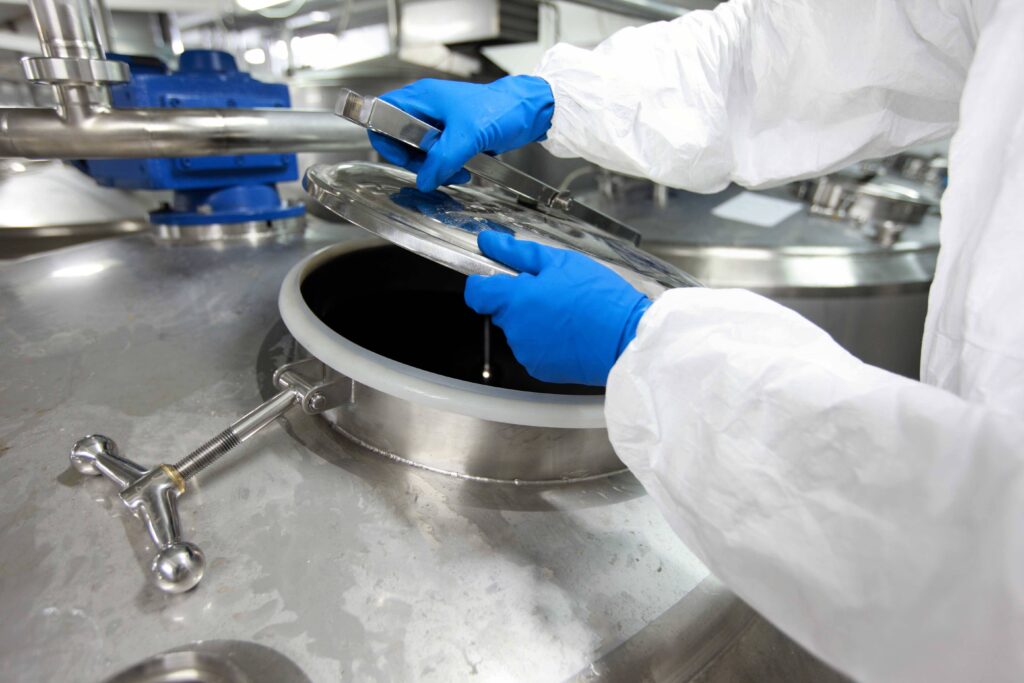
The manufacturing of biotechnological-derived medicinal products involves several process steps from upstream to downstream operations. Various process equipment is used for the bioprocessing of biopharmaceuticals and immunotherapies. The process equipment varies from standard to complex equipment and devices used for production.
Objective
The objective of process equipment qualification is to verify the fitness for purpose for its intended use and to ensure that process equipment meet their specifications as devised in the URS.
Definitions
Process Equipment Qualification is the verification that the equipment is properly designed, installed and operates within specified specifications and their associated acceptance criteria.
General Qualfication Requirements
Equipment used in production should be suitable and should not present any hazard to the product. The location and installation of the equipment should be adequate to minimize risk and contamination.
Process equipment should be qualified according to the qualification phases (DQ, IQ, OQ, PQ), calibrated, inspected and maintained at defined intervals to ensure adequate performance. Associated computerized systems (CS) should be validated to verify data integrity and data securitiy.

Regulatory GMP Requirements for Qualification and Validation
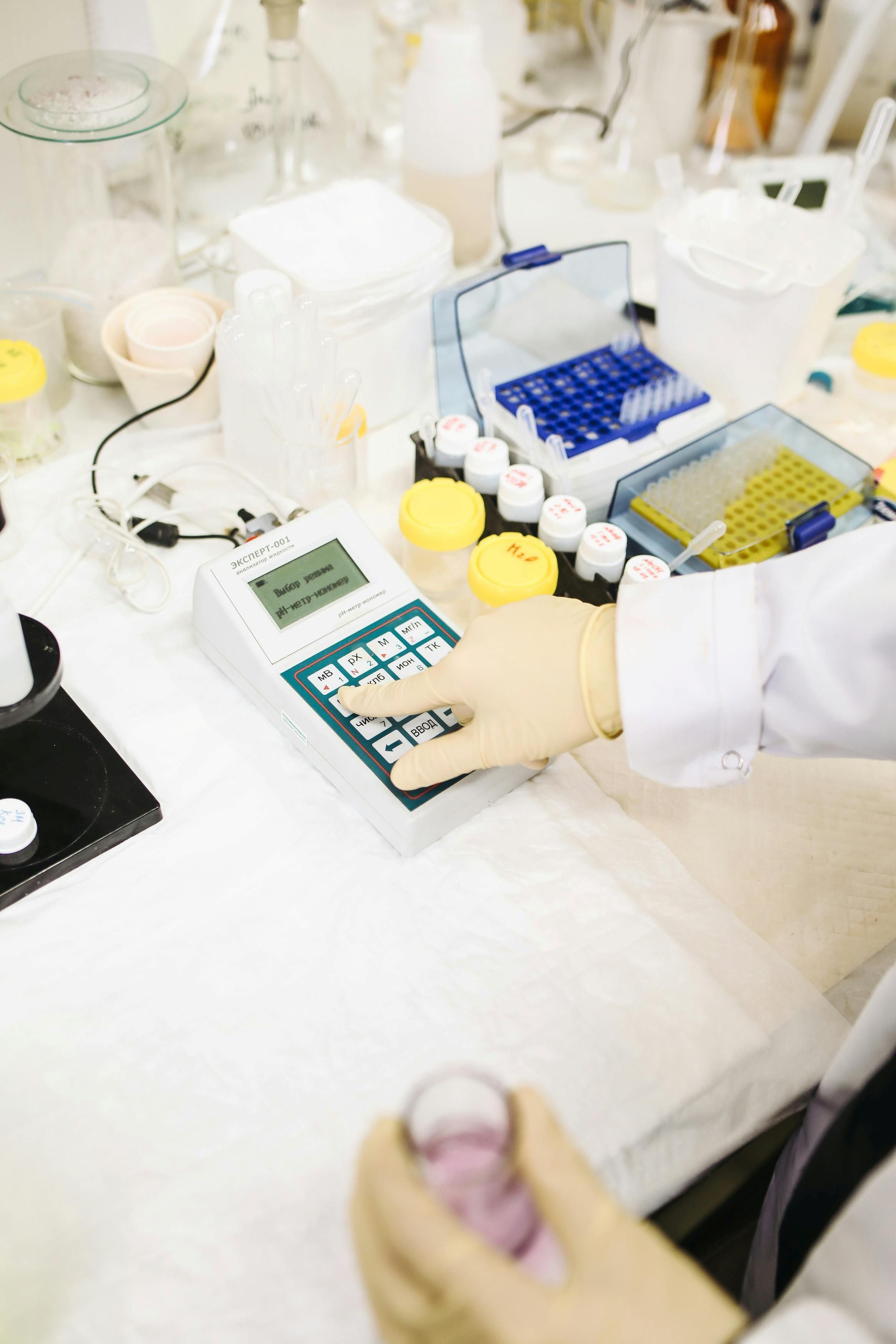
The pharmaceutical industry requires compliance with GMP with regulatory authorities such as the U.S. Food & Drug Administration (FDA) or European Medicines Agency (EMA) to receive the manufacturing authorization.
Qualification and validation operations are among these requirements. Process equipment qualification is performed in compliance with good manufacturing practice (GMP) EudraLex Volume 4 Annex 15 “Qualification and Validation”
When is qualifcation necessary?
- Regulatory compliance with Good Manufacturing Practice (GMP)
- New equipment installation
- Equipment modification
- Maintenance or repair
- Change in the manufacturing process.