

Process Validation
“Process Validation is the documented evidence that the process, operated within established parameters, can perform effectively and reproducibly to produce an intermediate or API (active pharmaceutical ingredient) meeting its predetermined specifications and quality attributes.” (Quote ICH Q7)
Defined in guideline ICH Q7 “Good Manufacturing Practice Guide for Active Pharmaceutical Ingredients”. ICH (International Council for Harmonisation of Technical Requirements for Pharmaceuticals for Human Use)
About Process Validation
Because end-product testing of biological products is of limited practicality, the validation of manufacturing process is demanding regarding the complicity of biotechnological-derived products. To acquire process knowledge tests to examine the quality of drug components, in-process materials, and finished products a set of analytical methods is necessary.
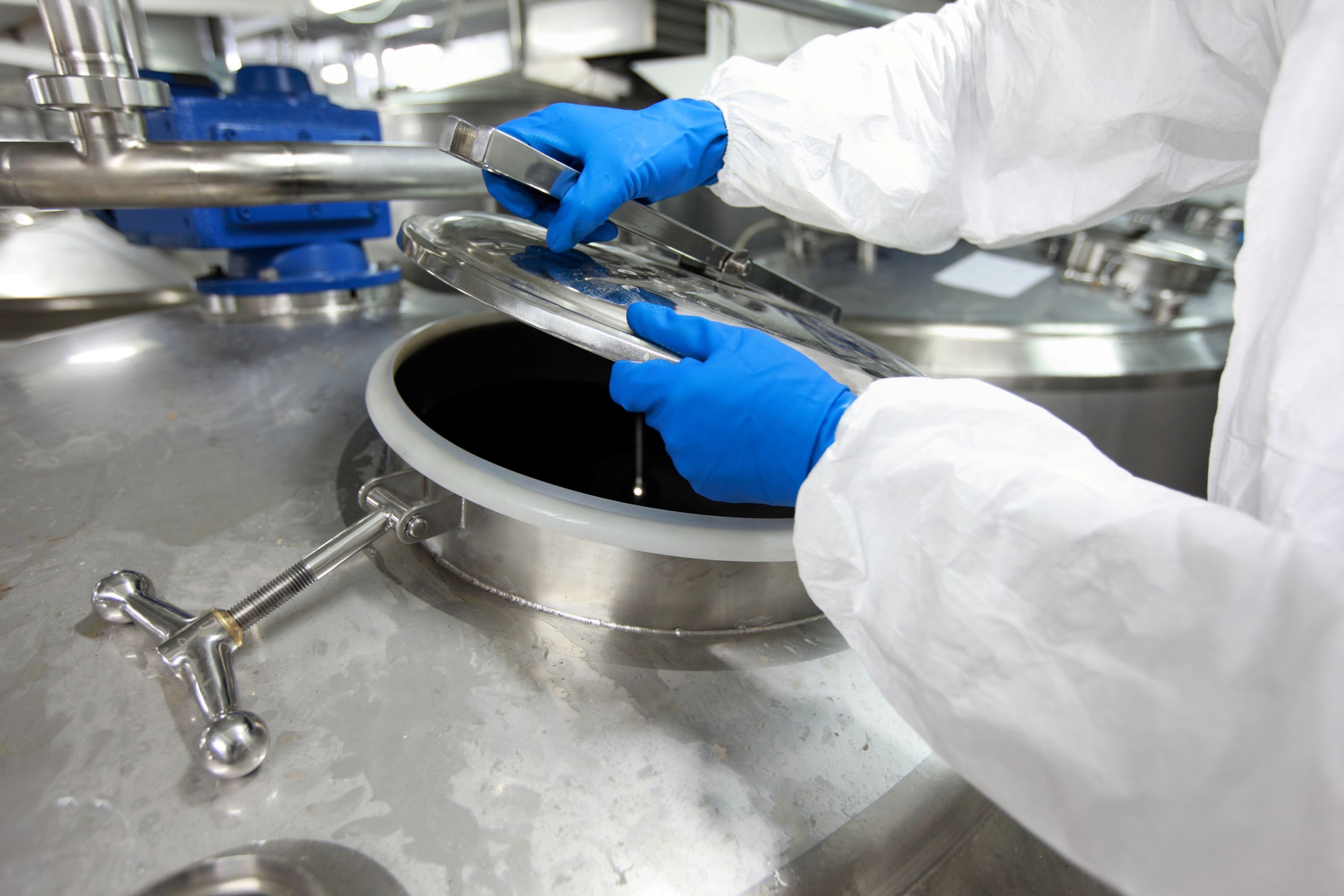

Objective of Process Validation
Process Validation apply to drugs such as biological, biotechnological derived products, finished products and active pharmaceutical ingredients (APIs or drug substances). Process Validation include the lifecycle concept that links product and process development and follows a Risk-Based Approach.
Regulatory authorities e.g. FDA have the authority and responsibility to inspect and evaluate process validation. The manufacturer is in charge to perform and implement process validation.
The objective of process validation is to ensure product quality, in terms of safety and efficacy, and that products are being consistently produced and controlled to the quality standard appropriate to their intended use and as required by regulatory authorities for GMP release (21 CFR 211.100 and 21 CFR 211.110).
Process Validation verifies that the manufacturing process is under control and operates within defined specification and acceptance criteria. Process validation studies contribute to confidence and GMP compliance for manufacturing and marketing authorization.

Bioprocessing
Currently biopharmaceuticals are being developed to fight against cancer, autoimmune disorders, infectious diseases and several other medical conditions.
Biopharmaceuticals are proteins, mainly derived from living organisms or systems by using recombinant DNA technology. Recombinant proteins are then produced by cell expression systems.
The basic science behind all biopharmaceuticals is the use of recombinant DNA technology. The cell consists of cell membrane, nucleus and cytoplasm. The nucleus contains the genetic information in form of the so-called DNA. Proteins are made within the cytoplasm. So how do we get from the nucleus to the cytoplasm? The process is called the “protein biosynthesis”. It starts within the nucleus with the transcription of DNA into mRNA. The mRNA now serves as a template for the protein synthesis and moves to the cytoplasm. Here are the ribosomes, where the final protein is synthesized.
Genes, containing the genetic information in form of DNA sequences code for proteins or have other regulatory cell functions. The cell activates only those genes, required to produce specific proteins. Nowadays, it is possible to identify the genetic sequences that control the production of these proteins. These genes are then isolated and duplicated on a large scale to produce the desired protein which is then extracted, purified and used for the production of the biopharmaceutical item, as they have come to be known.
Definition of Process Validation
“Process Validation is the documented evidence that the process, operated within established parameters, can perform effectively and reproducibly to produce an intermediate or API (active pharmaceutical ingredient) meeting its predetermined specifications and quality attributes.” (Source ICH Q7)
Bioprocess engineering
The main objective of bioprocess engineering is to design optimal cell culture conditions and bioreactor process parameters to achieve high yields of desired protein with high quality attributes.
Recombinant products are produced by living organism (e.g. mammalian cell cultures, yeast cells or bacteria). Proliferation-controlled production processes consist of an expansion phase followed by a production phase. To optimize cultivation several process strategies have been developed.
For effective bioprocessing advances have been made in the various area of bioprocessing:
- Process Analytical Technologies (PAT)
- Quality by Design (QbD)
- Cell line engineering
- Recombinant DNA technology

On-site Services
- Validating process operations
- Contributing to upstream and downstream operations
- Developing cell line engineering from research to GMP manufacturing
- Applying microbiology and hygiene concepts
- Validating aseptic processes (EurdraLex Vol. 4, Annex 1)
Your Benefits
Our validation engineers at Stolley Engineering, who are well-qualified, have an understanding of biopharmaceutical science, critical process parameters (CPPs), critical quality attributes (CQAs) and the manufacturing process related to your product, allowing us to determine process specifications to your process validation strategy.

Our Validation Expertise
We offer expertise in upstream and downstream operations, product and process specific. We contribute to critical in-process controls, validation parameters and their respective acceptance criteria, tests used and the extent of testing.