
Analytical Instrument Qualification verifies that the instruments and devices operate within its operational specifications as defined and specified.
About Analytical Instruments
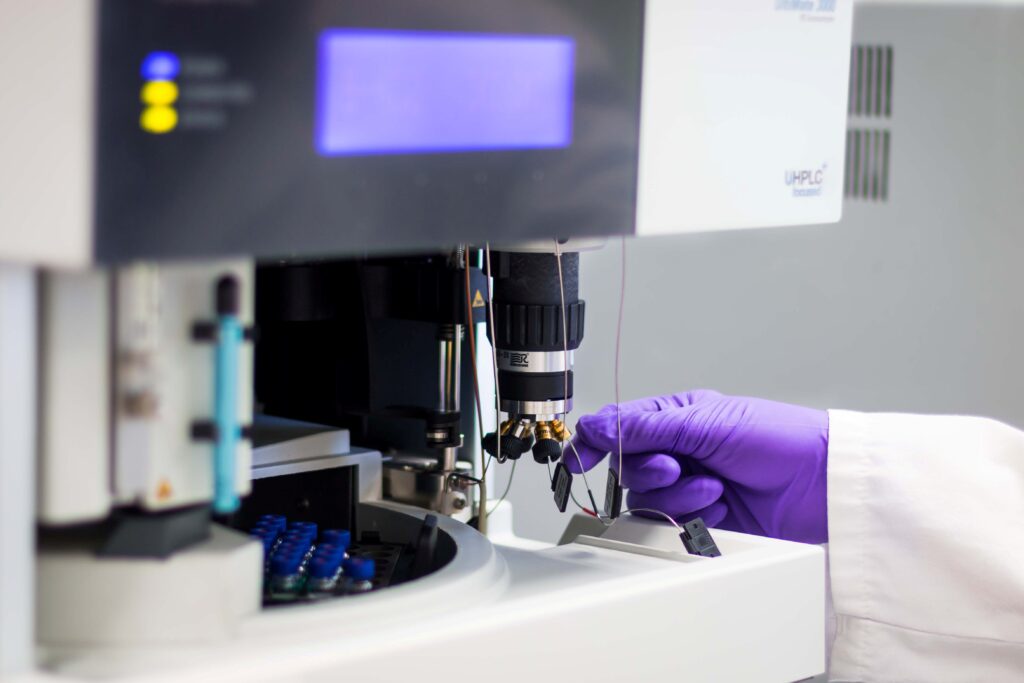
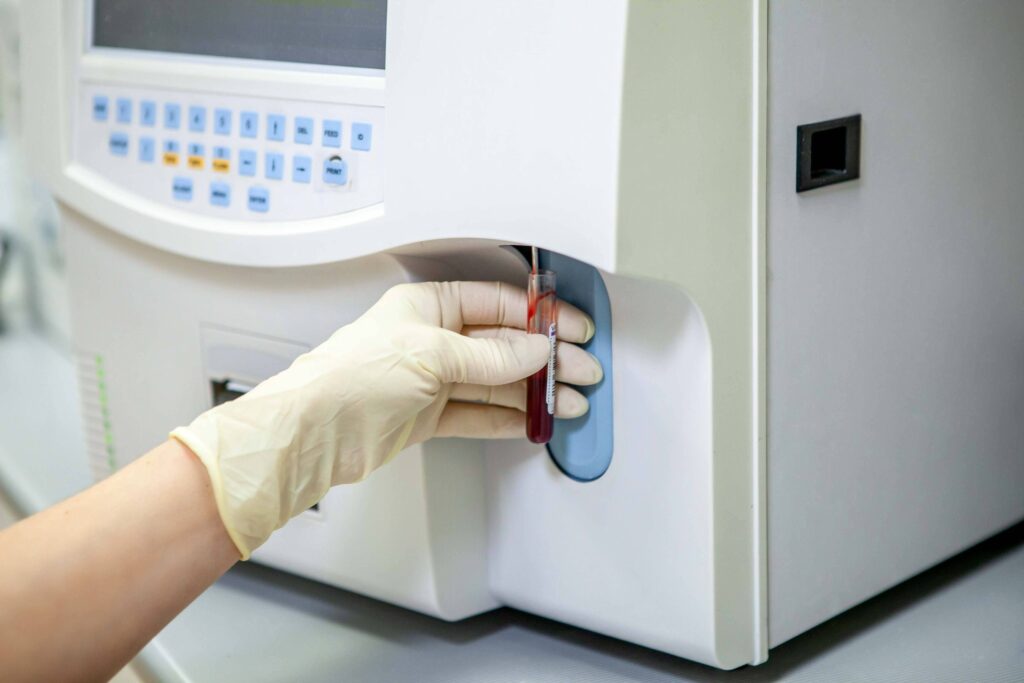
Analytical instruments and devices are essential for manufacturing and quality control of biopharmaceuticals. Most of these instruments link metrological and software-controlled functions. QA is responsible for assuring that their instruments are suitably qualified.
Analytical Instrument Qualification in compliance with USP <1058>
In 2008 the US Pharmacopeia (USP) implemented the general chapter <1058> on Analytical Instrument Qualification (AIQ) originated by the American Association of Pharmaceutical Scientists (AAPS).
This chapter was updated in 2017 to propose an integrated approach to AIQ and Computerized System Validation (CSV) together with GAMP.
The USP <1058> has become an important document since it is the only risk-based regulatory guidance regarding analytical instrument qualification (AIQ).
System Classification
- To determine the extent of qualification the systems are classified into categories depending on their complexity and the criticality on its intended use.
Group A
- Group A includes the simplest standards devices and instruments such as magnetic stirrer or vortex mixer which are used without measurement capability. Their handling is simple and self-explanatory. The quality of product and process will not be affected by this category and therefore qualification activities require only the basics.
Group B
- Group B includes instruments which are more complex and provide a measurement capability or a condition that may affect a measurement, for example a pH meter and oven or incubator. These instruments may have firmware but are not software-controlled. The extent of qualification activities depends on criticality regarding critical quality attributes (CQAs) and critical process parameters (CPPs) which shall be analyzed by a risk assessment.
Group C
- Group C includes complex analytical instruments with software-controlled measurements and analysis such as HPLC, mass spectrometer or flow cytometer. This category requires the highest quality standards. Their qualification is elaborate and labor-intensive. It also includes the computerized software validation (CSV) which is even more challenging and demanding.

Why Qualification and Computerized System Validation (CSV)?
Most analytical instruments and process equipment are combined with computerized systems and contribute significantly to datasets. Software must be categorized and specified, computerized systems must be specified and both must be validated. GMP-regulated laboratories require data to be accurate, complete, reliable and consistent.
Regulations and Guidelines
- USP <1220> Analytical Procedure Lifecycle
- USP <1058> Analytical Instrument Qualification
- Eurachem Guide: Analytical Equipment and System Qualification
- EU GMP Guide Annex 15
- GAMP 5
- FDA 21 CFR Part 11
- EU GMP Guide Annex 11
- ALCOA-Principles
Summary
Analytical instruments should be qualified, calibrated, inspected and maintained at defined intervals to ensure adequate performance.
Qualified instruments contribute to client’s confidence that analytical instruments used for quality control perform suitably according to their intended use.
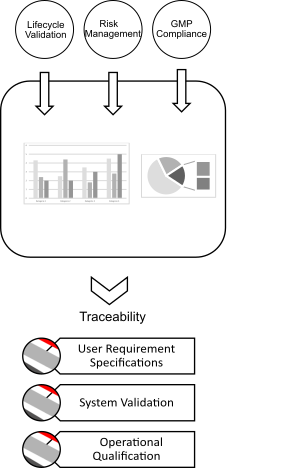
The devise of a thorough URS is of utmost avail and influences the outcome of the qualification, as the URS is linked to the operational qualification (OQ).
However, user requirements and system specifications are not necessarily defined equally between supplier and laboratory. Keep in mind that the instrument testing performed in the OQ aims to satisfy regulatory quality standards.