Design, Development and Validation
Bioassays Definitions
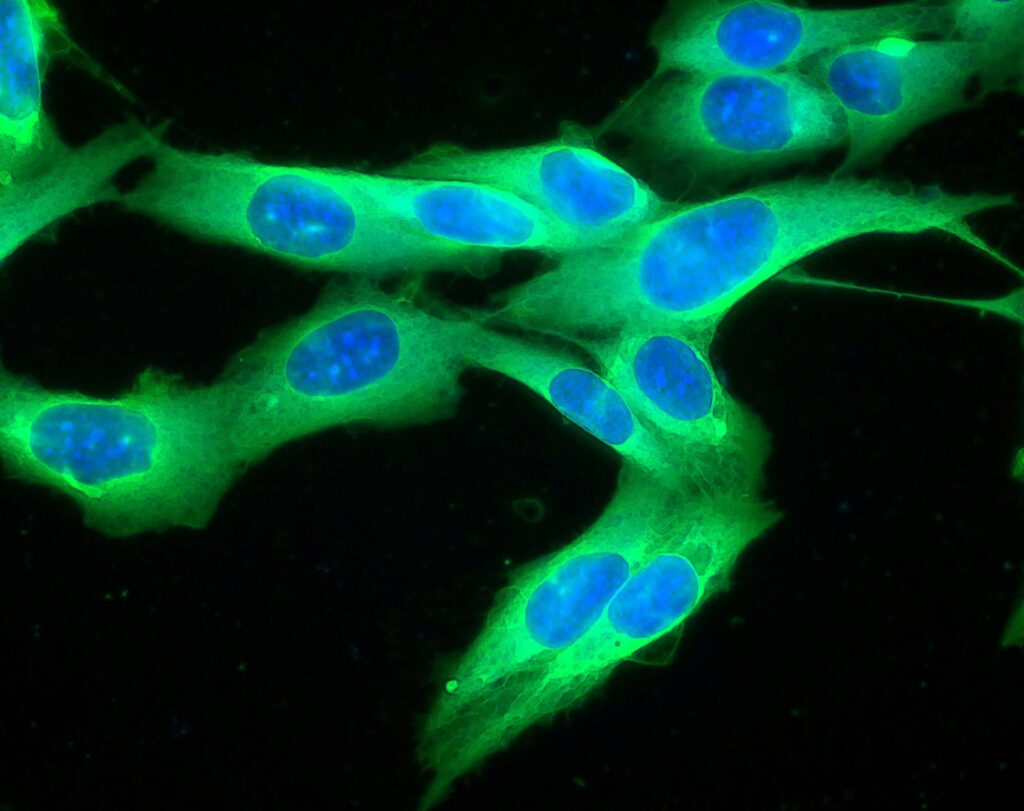
A bioassay is a test procedure used to determine the biological activity and to verify the mode of action of a protein or advanced therapy medicinal product (ATMP), by using a biological substrate e.g. living cells, or target receptors.

About Bioassays
Due to the complexity of biopharmaceuticals and their complex manufacturing process, bioassays are one of the most challenging parts of your quality control program. Heterogeneity is a key issue and impact the product quality in terms of batch-to-batch consistency.
Given these circumstances the testing of the biological activity belongs to one of the most challenging analyses within your bioassay procedures in terms of batch release and for commercial distribution of drug products.

United States Pharmacopeia (USP)
- USP <1032>: Design and Development of Biological Assays
- USP <1033>: Biological Assay Validation
- USP <1034>: Analysis of Biological Assays
- USP <111> : Design and Analysis of Biological Assays
Methods & Applications
- General applications of biological assays include characterization of biological properties, as describe in ICH Q6B, to support stability and comparability studies, batch release of samples, and to evaluate changes in manufacturing processes. Bioassays can be cell-based or cell-free. Cell-based assays refer to the use of living cells for the analysis.
Cell-based Assays
- Cell-based bioassay using cell lines, derived from tumors, immortalized cells or created by cell line engineering, to study cellular response to the protein of interest. The cellular response depends on the mode of action of the desired protein.
- Such responses include cell proliferation assays, apoptosis assays, cytotoxicity assays, or antibody-dependent cellular cytotoxicity assays (ADCC).
Potency Assays
- The objective of potency assays is the determination of the relative potency, in which the biological activity of an analyte is analyzed by comparing the dose-response curve to the activity of a reference standard material.
ADCC Assays
- Antibody-dependent cellular cytotoxicity assays.
Assays for Drug Screening and Target Validation
- Drug receptor interactions play an important role in drug delivery, tumor metastasis, and immune response. Assay development has become a powerful tool for drug screening and target validation studies as part of drug discovery and drug development.
Florescence Activated Cell Sorting (FACS)
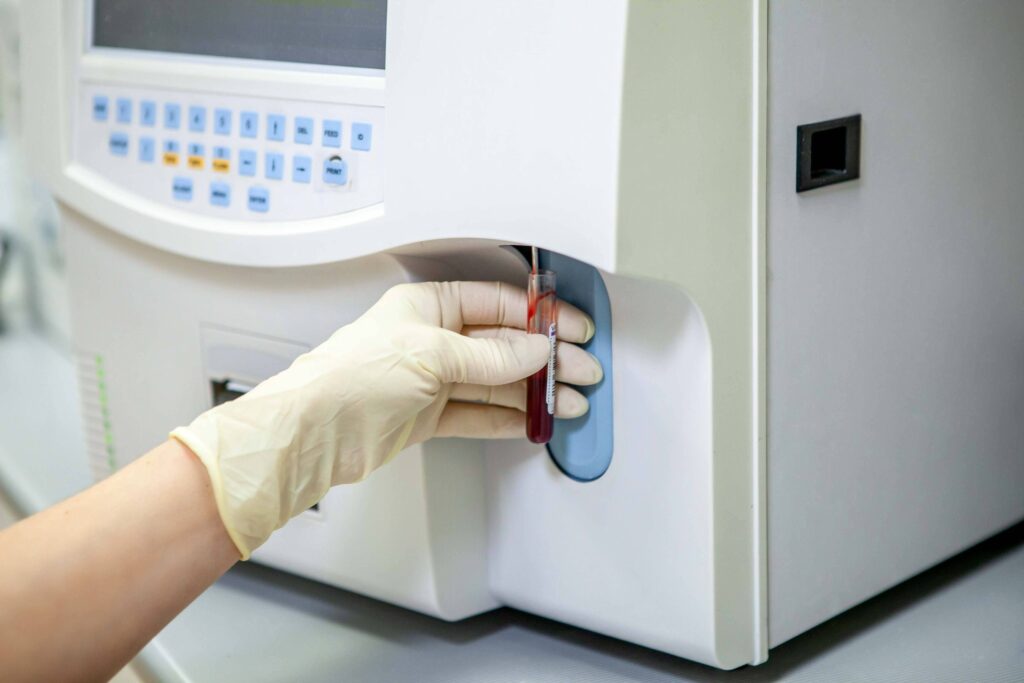
Florescence activated cell sorting (FACS) and flow cytometry analysis are widely used for cell-based assays, potency or ADCC assays, to determine the biological activity and the mode of action of biological products or ATMPs.
Implement GMP Regulations

Hands-on Experience
Our validation engineers, who are well-qualified, specializes in cell and molecular biology, allowing us to contribute to the design, development and validation of cell-based assays, potency assays, ADCC assays, and assays for target validation and drug screening, to support marketing authorization and GMP release of samples.